"Knowledge Knows No Bounds."

The economic landscape from 1947 to 2000
This historical narrative underscores India's enduring spirit and determination to build a strong, self-reliant economy while safeguarding its national
newspider
7/23/20242 min read
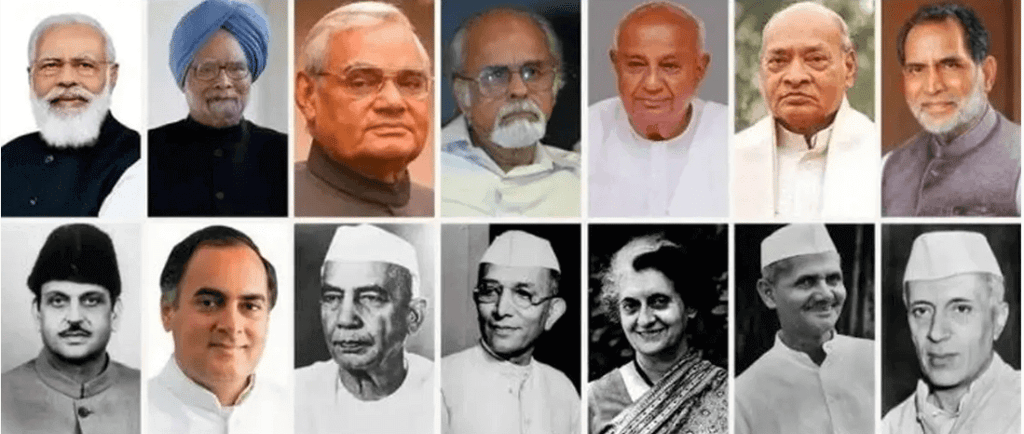
The Early Years: 1947-1960
India's independence in 1947 marked the beginning of its economic transformation under the leadership of Jawaharlal Nehru and subsequent governments. The nation inherited a struggling economy characterized by poverty, agricultural dependence, and limited industrialization. The immediate priorities were nation-building and achieving self-sufficiency.
Challenges:
Partition and Displacement: The partition of India and Pakistan led to mass migrations, economic dislocation, and communal violence, posing immense challenges to governance and stability.
Agricultural Dominance: The economy was predominantly agrarian, with a majority of the population engaged in agriculture under low-productivity conditions.
Infrastructure Deficiency: Limited infrastructure hampered industrial growth and transportation networks.
Progress:
Five-Year Plans: Modeled after the Soviet Union, India implemented Five-Year Plans to promote industrialization, agricultural growth, and social welfare.
Green Revolution: In the 1960s, India's agriculture saw a revolution with the introduction of high-yielding seeds, fertilizers, and modern irrigation techniques, significantly boosting food production.
Economic Liberalization and Growth: 1960-1990
India's economy faced ups and downs during these decades, with periods of rapid growth interspersed with setbacks like the economic crisis of the late 1960s and early 1970s. The government's policies oscillated between protectionism and liberalization attempts.
Challenges:
Red Tape and Bureaucracy: Excessive regulations stifled entrepreneurship and economic dynamism.
Balance of Payments Crisis: India faced severe foreign exchange shortages, necessitating loans from the International Monetary Fund (IMF) in the early 1990s.
Progress:
Industrialization: The 1980s saw significant industrial growth, particularly in sectors like textiles, steel, and automobiles.
Technological Advancements: India began investing in scientific research and technological capabilities, laying the foundation for future IT prowess.
Economic Reforms and Global Integration: 1990-2000
The most transformative phase came in 1991 with economic liberalization under Prime Minister Narasimha Rao and Finance Minister Manmohan Singh. This period saw India opening its doors to foreign investment, reducing tariffs, and dismantling the License Raj.
Challenges:
Social Disparities: Economic growth was uneven, exacerbating income inequality and regional disparities.
Infrastructure Gaps: Despite progress, infrastructure remained inadequate for sustaining rapid economic expansion.
Progress:
Information Technology Boom: The late 1990s witnessed the emergence of India as a global IT powerhouse, driven by software services and outsourcing.
Global Recognition: India's economic reforms gained international acclaim, attracting foreign investment and fostering economic stability.
India and the Kargil War (1999)
Against this backdrop of economic reforms and growth, the Kargil War in 1999 posed a significant challenge. The conflict highlighted India's military readiness and resilience in defending its sovereignty while managing the economic repercussions of war.
Conclusion:
India's journey from 1947 to 2000 was marked by immense challenges and remarkable achievements in economic development. The nation navigated through turbulent waters of partition, agrarian dominance, and economic reforms to emerge as a global economic player by the turn of the millennium. The lessons learned during this period continue to shape India's economic policies and aspirations for a prosperous future.
This historical narrative underscores India's enduring spirit and determination to build a strong, self-reliant economy while safeguarding its national interests, as exemplified during the Kargil War.